
Non-invasive profiling of the tumour microenvironment with spatial ecotypes
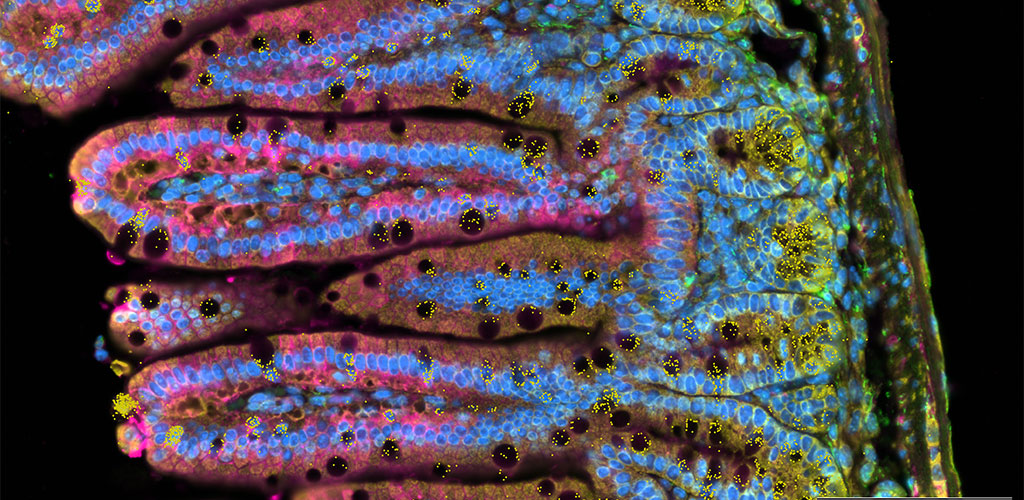
Our Detection AI maps signals to nine biologically grounded spatial ecosystems. These ecosystems reflect hallmark features of the tumor microenvironment.
Why do patients that share a driver mutation have such a variable response to targeted therapies? How can healthy people carry KRAS and TP53 mutations without ever developing cancer?
To understand cancer, we must understand that tumor AND the environment that sustains is.
The tumor environment (TME) dictates drug penetration, immune activity, and stromal conditions that shape disease progression. The TME can block or enable therapy response across many therapeutic classes including: immunotherapy, ADCs, and targeted therapies.
Research tools offer high resolution but are too complex for routine clinical use, too expensive, and require tissue biopsy. Clinical tools are adopted in practice but have low resolution, limited predictive power, and also require tissue biopsy.
LCDx bridges this gap with Spatial Ecotypes — interpretable AI-derived biomarkers grounded in biology that capture spatial complexity in 9 biomarkers, are detectable in blood via cell-free DNA, and are clinically deployable at scale.


.png)
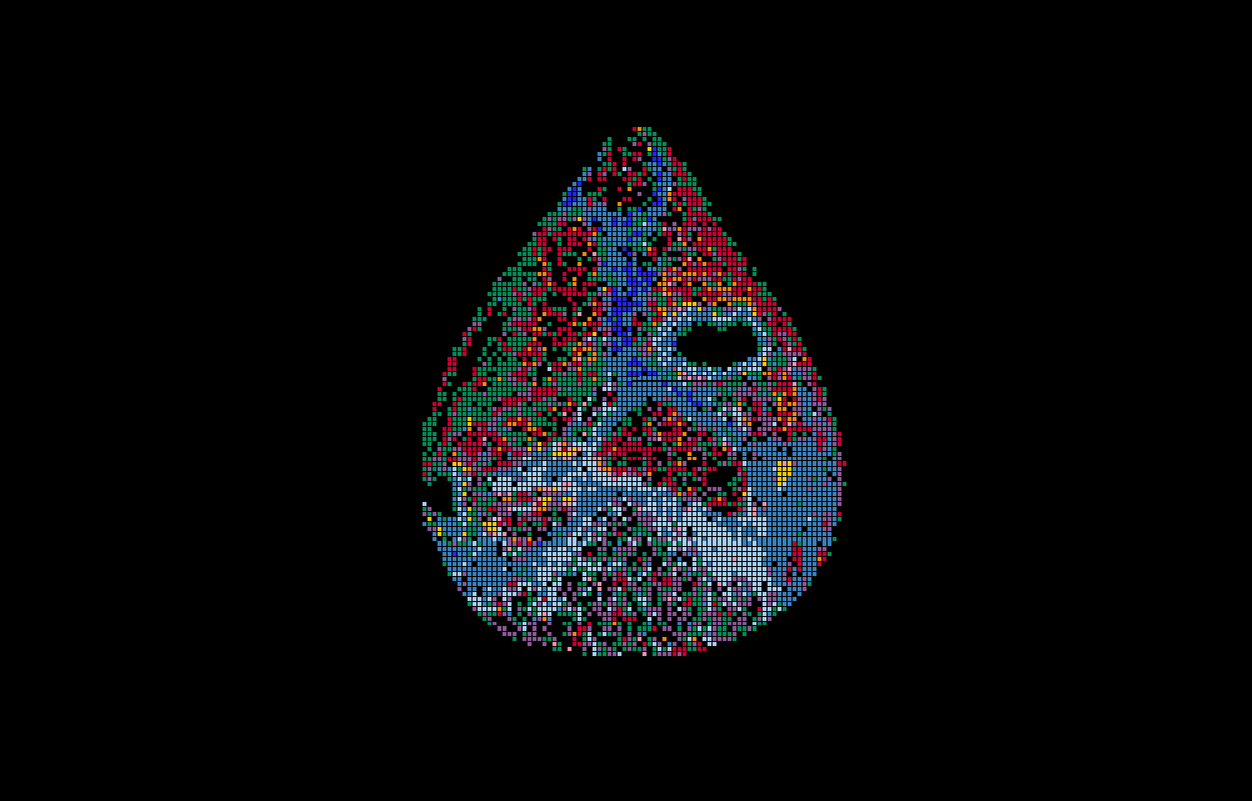

Rapid TNFα/NF-κB - driven response across cells sensing environmental stress
Cells adapting to hypoxia and nutrient stress, with recruitment of myeloid immune cells into the microenvironment
Coordinated cross-talk between immune, stromal, and vascular cells
Fibroblast-driven tissue repair and cytoskeletal remodeling
CAF-macrophage programs that suppress immune activity and create stromal barriers
High protein synthesis and ribosome biogenesis supporting cellular growth and activity
Antigen presentation and coordinated interferon signaling driving immune priming
Cytotoxic immune activity couple with metabolic stress and inflammatory signaling
Endothelial proliferation and vascular growth supporting tumor expansion
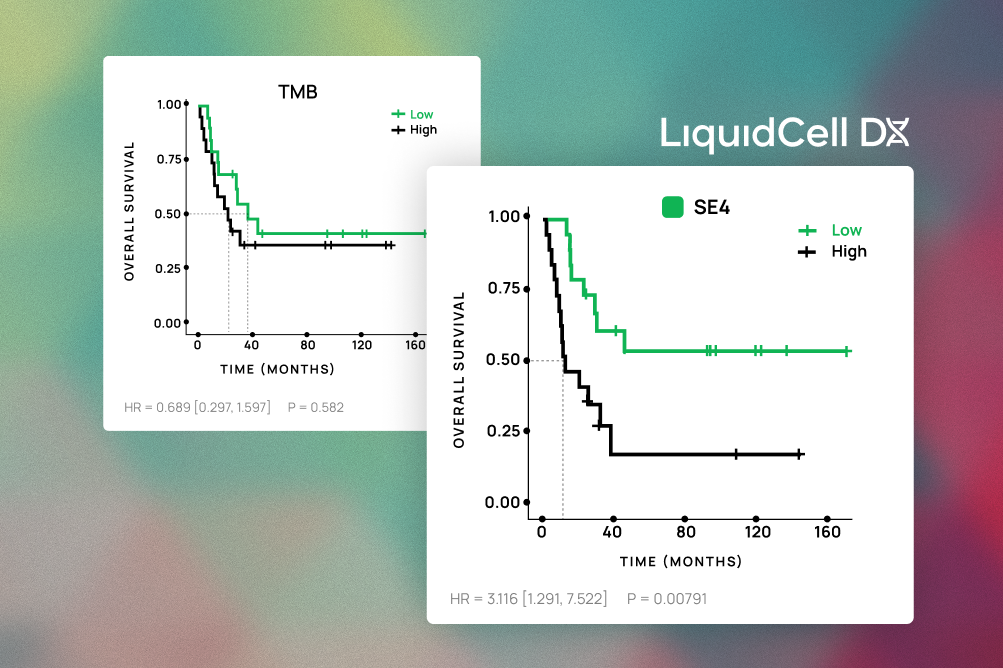

Spatial Ecotypes are better predictors of IO response than TMB and PD-1/PD-L1 expression that current gate IO allocation in many solid tumors
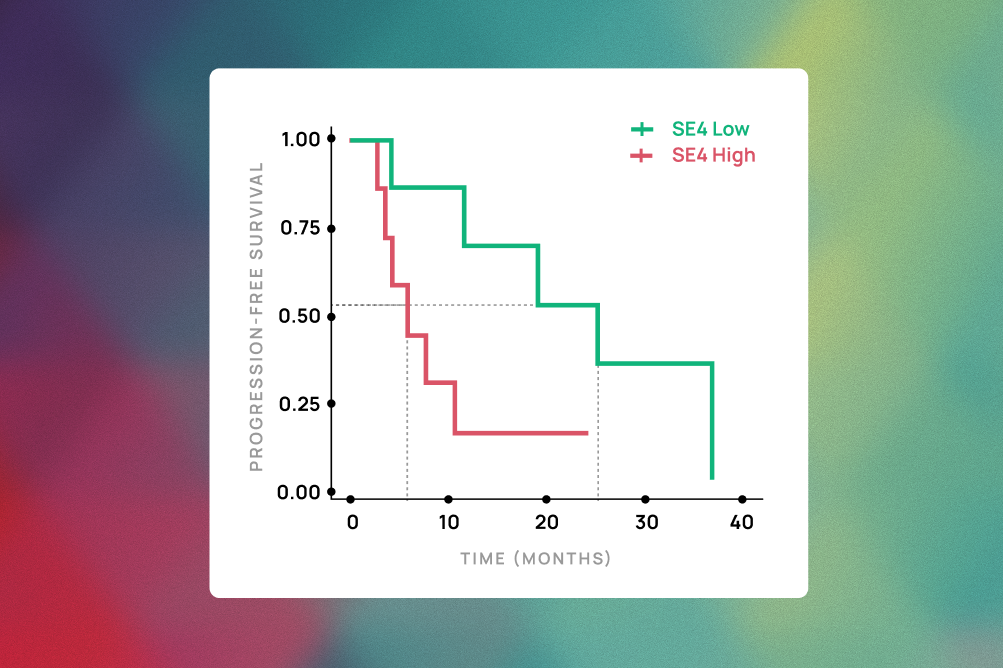
In the subset of melanoma patients with undetectable ctDNA by an ultra-sensitive assay, Spatial Ecotypes were measurable and continued to predict response to IO.
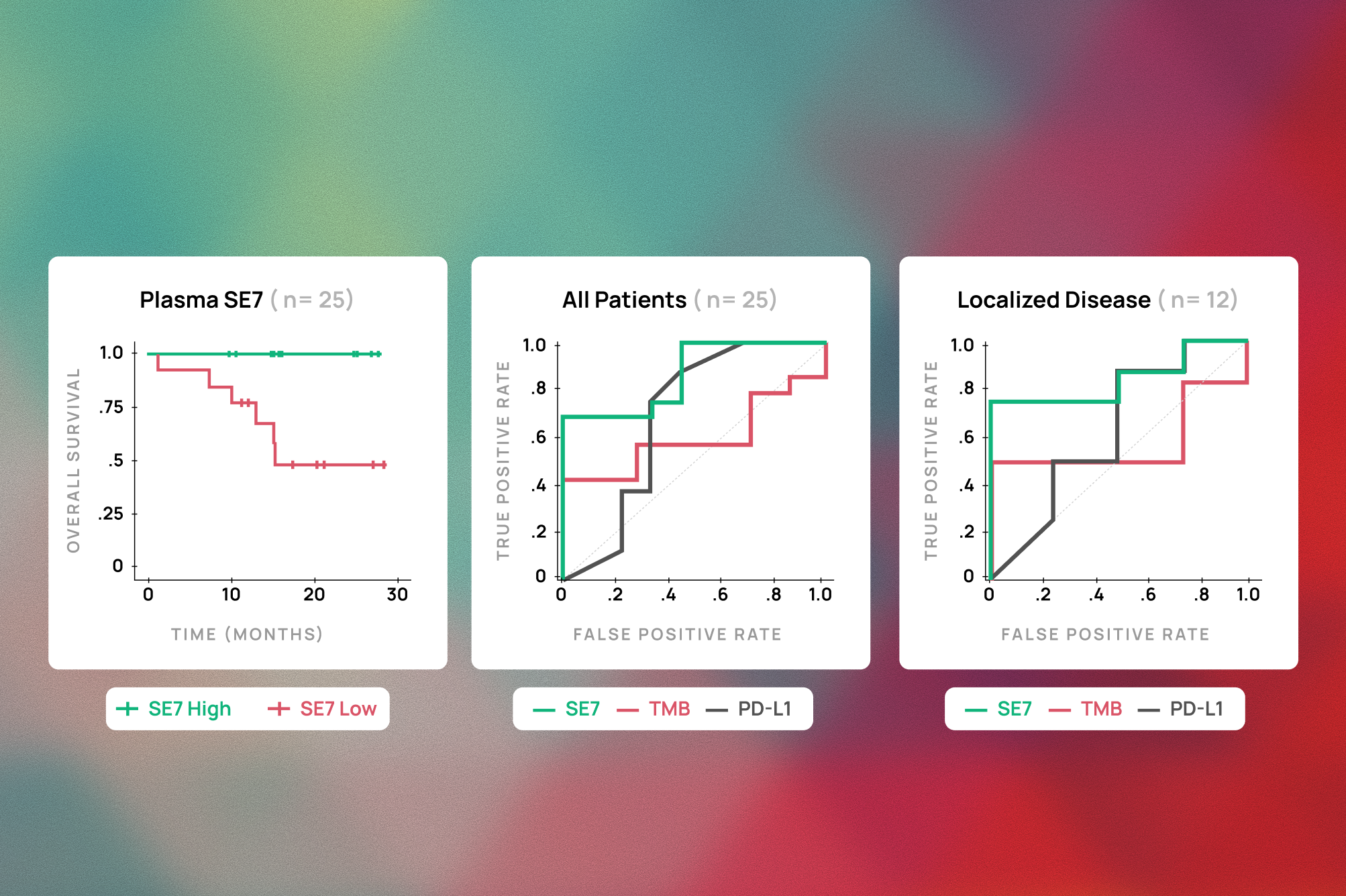
Spatial Ecotypes represent conserved ecosystem states across tumor types. Pan-cancer ICI approvals validate tumor-agnostic immune ecosystem biology.
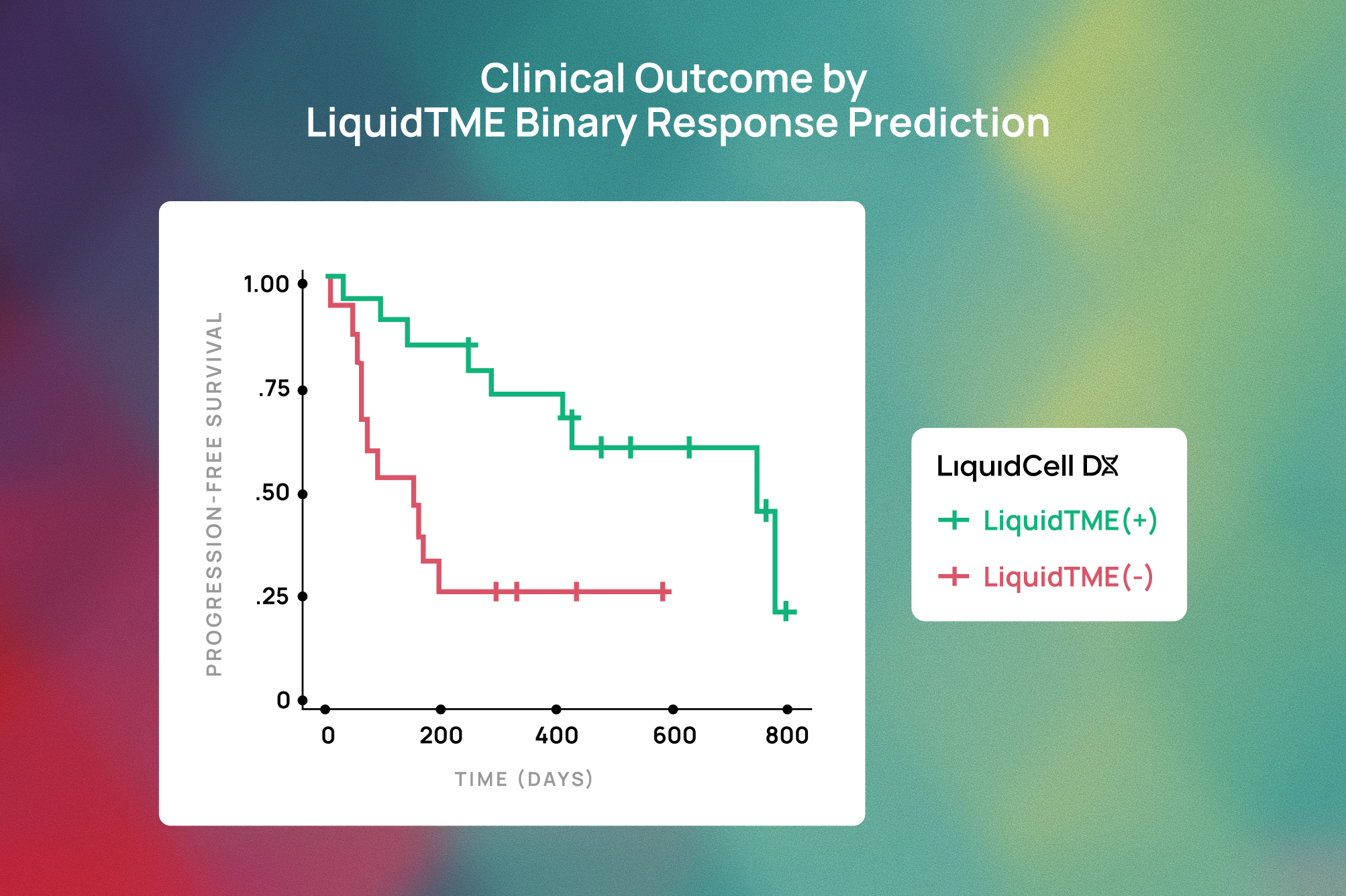
Demonstrated robustness in independent, blinded validation cohorts with expanded clinical validation underway into biomarker-gated tumor types
Profiling the whole cancer, including the tumor cells and the TME, enables more precise therapy selection across therapeutic modalities.
TME profiling on-treatment provides an actionable read-out of therapy response, indicating whether the tumor and the TME are responding, and if not providing insight into more effective alternatives.
Access to immune checkpoint inhibitors is often gated by biomarker criteria. Only 1–5% of breast, pancreatic, colorectal, and prostate patients qualify for IO based on current MSI-H/TMB-H criteria. LiquidTME identifies additional responders that are not identified with current biomarker criteria.
Across therapeutic modalities, Spatial Ecotypes provide key insights into critical TME biology that can block or enable response. LiquidTME can improve pre-treatment patient selection as well as provide rapid feedback of the dynamic TME response on-treatment.


